
Specialist lending for aircraft owners and aviation operators.
Aircraft Finance for Owners and Operators in Australia
Aircraft finance in Australia is written against the aircraft, not simply against the buyer. A lender approving a Cirrus, a King Air, a Robinson or a turbine twin is taking a position on airframe hours, engine time, maintenance status and how readily that type would resell. A strong balance sheet on its own does not always produce an approval.
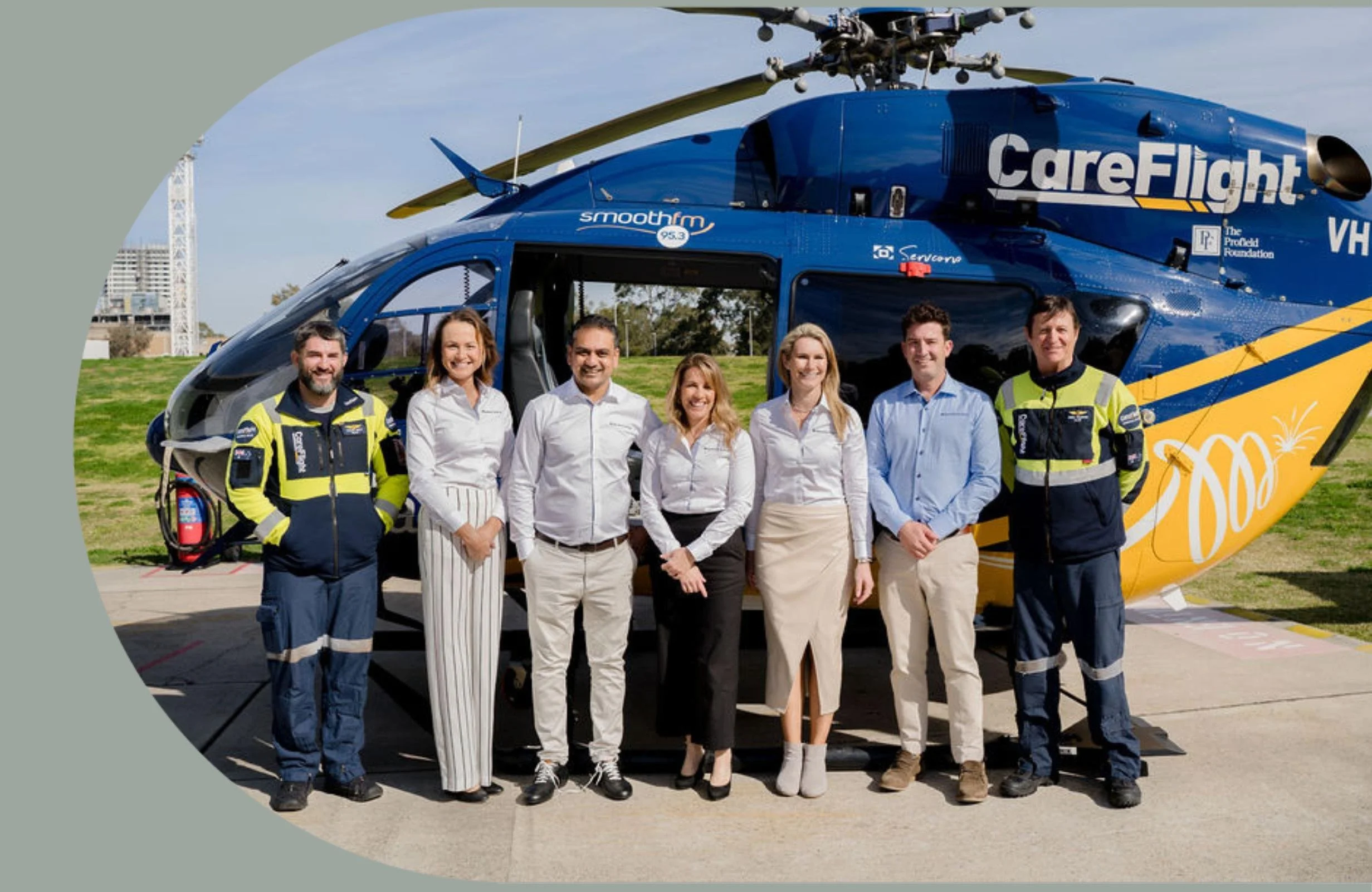

Proudly supporting CareFlight pilot training. Watch highlights from our base visit.
Aviation finance sits outside the comfort zone of most generalist lenders, and the Australian panel that understands it is narrow. Structure, deposit and term all shift with the aircraft and its intended use, and settling those before a contract is signed removes the most common cause of a purchase falling over.
A pilot buying a house works through a different set of policies, which a home loan broker for pilots handles separately. Where an aircraft and a property purchase fall in the same period, the order in which they are structured can affect both.
Aircraft Finance Across Every Sector of Aviation
Aviation lending reaches beyond private aeroplane purchases, and each sector brings its own security profile and cash flow pattern:
Private Owners and Recreational Buyers
Personal-use purchases are assessed on your income and commitments. The credit is regulated under the National Credit Code, so intended use has to be stated accurately from the outset.
Owner-Pilots and First-Time Buyers
A first aircraft is the hardest to fund, with no ownership history behind it. Lenders look at licence currency, hours on type and how the aircraft will be housed and flown.
Charter and Air Transport Operators
Operators holding an air operator's certificate are assessed on utilisation, contracted work and fleet age. Charter records or a standing contract often carry more weight than the balance sheet.
Flight Schools and Training Organisations
Training fleets accumulate hours quickly, so engine time and overhaul schedules are watched closely. Enrolment pipelines and instructor availability shape a lender's view of the revenue behind the repayment.
Corporate and Executive Aviation Fleets
Company aircraft are assessed against the trading entity, not the passenger list. Ownership is often placed in a separate structure, which keeps the facility clear of the operating company's other borrowings.
Agricultural and Aerial Application Operators
Seasonal, weather-exposed income suits uneven repayments across the year. Specialised airframes resell into a thinner market, so lenders weigh contracted acreage and a long-standing client base heavily.
Aeromedical and Emergency Service Providers
Contracted aeromedical, search and rescue, and firefighting work reads well because the revenue is underwritten. Term length is matched to the contract, and lenders look ahead to retender.
Helicopter and Utility Operators
Higher maintenance costs, component overhaul cycles and a narrower buyer pool mean the loan-to-value ratio (LVR) offered is tighter than for comparable fixed-wing aircraft.
Aircraft Investors and Syndicate Groups
Lease-back aircraft are assessed on the lease income as much as the borrower. Only one owner is recorded on the Civil Aviation Safety Authority (CASA) register, so the syndicate agreement must be settled first.
Maintenance and Ground Support Businesses
Hangars, tooling, refuellers and workshop equipment are financed as business assets, not as aircraft, and sit with general asset lenders instead of an aviation panel.
Structures Used to Fund an Aircraft
Most aircraft loans in Australia use one of a handful of structures, and the right one follows how the aircraft will be owned, used and replaced:
Chattel Mortgage Facilities
The buyer takes ownership at settlement and the lender registers a mortgage over the aircraft. Where the business is registered for goods and services tax (GST), the GST component may be claimable as an input tax credit. A chattel mortgage is the most common structure for business aircraft.
Hire Purchase Agreements
The lender holds title and the buyer takes ownership once the final payment is made. Hire purchase appears less often than it once did, though it still suits some commercial buyers. Its tax treatment differs from a chattel mortgage, so confirm the position with your accountant.
Finance Lease Arrangements
The lender buys the aircraft and leases it to the operator, with a residual payable at the end of the term. Lease payments may be deductible where the aircraft is used for business, though the lender retains ownership throughout, so deductions tied to owning the asset do not apply.
Operating Lease Structures
The aircraft stays on the lessor's books and returns on expiry, which suits operators who upgrade regularly or hold a contract shorter than the aircraft's useful life. Return conditions covering hours, cycles and maintenance status carry the most unexpected cost.
Property-Secured Lending Options
Owners with equity in property sometimes fund an aircraft through a residential or commercial facility instead. That shifts the file onto property lending policy, which a finance broker in Australia assesses on income and equity. Pricing is often sharper, though the aircraft sits unsecured and the borrowing reduces capacity for future property purchases, so model the trade-off before committing.
Staged Import Facilities
Aircraft bought overseas, or ordered new, may need funding released in stages, with foreign exchange cover alongside so the price does not move between deposit and delivery. Few lenders offer it, and the facility is arranged before any money leaves Australia.
What Lenders Assess Before Approving Aircraft Finance
Approval rests on the asset and the borrower in roughly equal measure, and a weakness in either can reshape the terms offered:
The Aircraft Type and Resale Depth
Common types with an active Australian market attract better terms than rare or experimental aircraft, because a lender is assessing how quickly the asset could be sold if repayments stopped.
The Airframe and Engine Hours
Time on the airframe, time since engine overhaul and remaining component life all feed into value. An aircraft approaching a major overhaul carries a known, dated cost, and lenders will either shade the valuation or expect the work to be funded separately.
The Maintenance and Airworthiness Record
A complete logbook history, a current maintenance release and compliance with airworthiness directives support the valuation. Gaps are treated as risk, and a lapsed certificate of airworthiness presents very differently from current compliance.
The Intended Use and Operating Category
Private, charter, training and aerial work each carry different utilisation and wear, and lenders price accordingly. Mixed use needs to be disclosed, because an aircraft nominated as private and then flown commercially can breach both the finance agreement and the insurance.
The Borrower's Income and Commitments
Business applicants are assessed on trading history, tax returns, business activity statements and existing commitments. Private buyers are assessed on personal income and living costs. Either way, an aircraft is a discretionary asset, so lenders look for capacity that survives a quiet year, not one built on a strong one.
The Deposit and LVR Offered
Deposits between 20% and 30% are typical, with older aircraft, helicopters and specialised types at the higher end. A larger contribution can offset a shorter trading history or an unusual airframe, and it often has more influence on the rate offered than any other factor.
The Security and Registration Checks
Lenders register their interest before settlement, and buyers should check the Personal Property Securities Register (PPSR). A PPSR aircraft search before a deposit is paid shows whether an existing security sits over the airframe or engines. Larger aircraft, helicopters and engines that meet the Cape Town Convention thresholds are also recorded on the International Registry, where an international interest will generally take priority over an earlier PPSR registration.
Costs and Terms Worth Modelling Before You Commit
Repayments are only one line in the cost of ownership, and the numbers that decide whether an aircraft is affordable usually sit around the loan, not inside it:
Setting the Deposit and Balloon
A balloon payment lowers monthly outgoings and raises total interest, and it leaves a lump sum to refinance, clear or meet through a sale. Setting it against a realistic view of the aircraft's resale value at that point keeps the final decision open.
Matching the Term to Airframe Life
Five to 15 years covers most facilities. A term running past a major overhaul or beyond the aircraft's useful life leaves you paying for an asset worth less than the balance, so the finance is shaped around the maintenance calendar.
Budgeting for Maintenance Reserves
Setting aside an hourly amount for engine, propeller and component overhauls turns a large future bill into a predictable cost. Lenders financing commercial operators often look for evidence that reserves are held.
Allowing for Insurance and Hangarage
Hull and liability cover, hangarage, landing and parking fees, subscriptions and annual inspections continue regardless of how much the aircraft flies. These fixed costs frequently exceed the interest component of the loan.
Comparing Fixed and Variable Pricing
Most Australian facilities are written at a fixed rate for the term, which makes budgeting simple and early repayment more expensive. Variable options exist with some lenders and can suit operators expecting to sell or refinance, so the choice usually follows how long you intend to hold the aircraft.
Treating GST and Depreciation Correctly
Business use may allow a GST input tax credit and depreciation deductions, while private use generally does not. Apportionment between the two is a matter for your accountant and the Australian Taxation Office (ATO) rules that apply, and it is easier to structure correctly at purchase than to fix afterwards.
Rates and eligibility change, so use these as a general guide, not a quote.
Signing With the Finance Already Settled
Most aircraft purchases stall in the same place. The buyer has found the aircraft, the seller wants a decision, and nobody has confirmed whether a lender will fund that airframe at that price on that structure. Answering those three questions early turns a purchase into a plan.
With appetite tested, a deposit set and the ownership entity chosen, an inspection and a contract become steps to work through, not risks to carry. That is the point Specialist Broking works back from, so the shortlist in front of you can be measured against real lender appetite before a deposit moves.
Book a 15-minute consultation and we can confirm what is fundable before you make an offer.
Frequently Asked Questions (FAQs)
What types of aircraft can you finance?
Single and twin piston aircraft, turboprops, light jets, helicopters and agricultural aircraft can all be funded in Australia. Warbirds, experimental and amateur-built aircraft are harder to place and usually need a larger deposit or additional security.
Can you finance new and used aircraft?
Both. Factory orders can be funded in stages against the manufacturer's schedule. Used aircraft are assessed on hours, time since overhaul and logbook history, and most lenders will fund an older airframe where the record is complete.
Can I finance my first aircraft purchase?
Yes. Choosing the aircraft before testing lender appetite is the usual mistake, because the type you settle on decides how much of the price can be funded. Testing appetite first keeps the deposit and the shortlist aligned.
Can I finance through my business?
Yes, where the aircraft is used predominantly for business purposes. The entity that holds the aircraft matters, because a company, a trust and a sole trader are each assessed differently, and the lender will look through to the people behind it.
Can you finance flight schools and fleets?
Yes. Lenders often prefer a single facility across the fleet, which simplifies reporting and lets a school add or replace aircraft without renegotiating from scratch.
Do you finance helicopters?
Yes, though rotary lending sits tighter than fixed-wing. Time remaining before the next major component replacement often matters more to a lender than the airframe's age.
How do lenders value aircraft?
Most rely on an independent valuer or aircraft appraiser instead of an in-house figure, and they will want the logbooks and a recent maintenance release to support it. Where the valuation lands below the contract price, the shortfall is usually met from a larger deposit.
Can I refinance an existing aircraft loan?
Yes. Refinancing is common where a facility was arranged quickly at purchase, where a balloon is falling due, or where an operator has moved from private to commercial use. The aircraft is revalued, so hours flown since settlement affect what can be refinanced.
Do you finance agricultural aircraft?
Yes. Both fixed-wing agricultural aircraft and spray-configured helicopters can be funded. Lenders weigh contracted acreage and repeat clients heavily, and repayments can be structured around the spraying season instead of spread evenly.
Can you help with imported aircraft?
Yes. Imported purchases need funding for the aircraft plus freight, import duty, reassembly and the certification work required before CASA issues an Australian registration mark. The facility is normally arranged before a deposit is sent overseas.
Why use Specialist Broking instead of going directly to my bank?
Most banks have no aircraft lending policy, so a general business or asset loan is offered instead, often at a higher rate and secured against your property. Specialist Broking works with the smaller panel of lenders that assess the airframe itself and price against it.
Who leads the aviation lending work at Specialist Broking?
Daniel Jones, founder and chief executive, is a former Qantas Group pilot who flew commercially with Jetstar and Regional Express. His finance career began at Medfin Finance, supporting doctors, dentists and allied health professionals, and he returned to it as a broker. That background shapes how a file is presented, because the questions a lender asks about hours, overhaul status and intended use are aviation questions before they are finance questions.
How do I get started?
Book a free 15-minute consultation through the Specialist Broking website, or call +61 423 308 892 or email daniel@specialistbroking.com.au. Bring the aircraft type, the asking price and how it will be used, and the first call can confirm what is fundable.
Disclaimer: This page is general information only and does not take into account your objectives, financial situation or needs. Lending criteria, interest rates, structures and tax treatment vary between lenders, differ by circumstance and can change without notice. Before making a decision, consider seeking advice from a licensed credit professional and your accountant, who can review your individual circumstances.

OUR SPECIALIST AREAS
We believe finance should be delivered with care, integrity and expertise, by people who know what it’s like to stand in your shoes.
-
Daniel Jones, Founder and CEO, is a former commercial pilot who understands aviation finance: variable rosters, unique allowances and banks that don’t always get a pilot’s income.
-
Our team supports doctors, dentists and allied health professionals with finance strategies that evolve throughout their careers, from buying a first home to growing a practice and building long-term wealth.
-
Our finance capability runs deep across commercial and investment lending. Led by Daniel Jones, who has worked extensively in medical and professional finance, our team structures lending that supports business growth, cash flow and asset acquisition.
-
We know finance is never just about numbers. It is about decisions that shape homes, careers and futures. We support first home buyers, families planning their next move and clients looking to refinance or consolidate debt.
Our Team

CEO and Founder
A former Qantas Group pilot turned specialist broker, Daniel helps aviation, medical and business professionals navigate complex finance with precision. He builds long term relationships with clients, helping them strengthen their financial position and plot a course that makes sense for the long haul.

Specialist Broker
Carly helps clients turn property goals into reality by combining her experience in Sydney's property market and global finance with practical lending advice tailored to each client's circumstances.
How we work
Together, our team helps clients structure lending that is strategic, adaptable and built for the long haul.
STEP 1
Reach out to Specialist Broking.
STEP 2
We get to know you and your goals.
STEP 3
We negotiate with banks and lenders.
STEP 4
We conduct an annual financial health check.
WHAT OUR CLIENTS SAY:
“Daniel and the team have done an outstanding job guiding us through the process to secure loans in both investment and home.
As a family earning foreign income in the aviation industry, we needed a lot of guidance and expertise and the team absolutely delivered with patience and professionalism.”
Daniel and Stephanie O’Sullivan — First Officer, 747 Atlas Air and Teacher’s Aide
Frequently Asked Questions
-
Yes. Several Australian lenders classify pilots, alongside doctors and lawyers, as a professional, low-risk occupation. This can unlock meaningful benefits including LMI waivers up to 85–90% LVR (potentially saving $15,000–$25,000 on an $800,000 purchase), higher borrowing limits, more generous debt-to-income ratios, and professional package discounts of 0.10–0.30% off advertised rates. Eligibility depends on factors like minimum income thresholds, holding a valid CASA licence, and working for a recognised employer.
-
Pilot pay is structured very differently to a standard PAYG salary. Banks using generic assessment frameworks often heavily shade or exclude flight allowances, per diems, overtime, and foreign currency earnings, meaning your assessed income can be significantly lower than your actual take-home pay. This can reduce borrowing capacity by $150,000–$300,000 compared to what a specialist lender would offer.
-
Assessment varies by lender and income type. Base salary is typically included at 100%, while flight allowances may be recognised at 50–100% with 3–6 months of payslip history. Overtime is usually included at 50–80% with 6–12 months of consistent history, bonuses at 0–80% after two years, and per diems and foreign income at 0–80% depending on the lender. A specialist broker matches you to the lender with the most favourable treatment for your specific pay structure.
-
Yes, though it requires the right lender. A newly qualified First Officer on a lower base salary can still access finance by working with lenders that accept a higher proportion of allowances and, in some cases, exception-based assessments that factor in career trajectory and income progression.
-
Yes. While banks typically require two years of financials for self-employed borrowers, some lenders have more flexible policies, including one year of financials, BAS-based income assessment, or accountant-declared income. Specialist Broking regularly structures finance for ABN-based pilots.
-
Foreign income is assessed differently by each lender, with most applying a shading factor and capping LVR at 70–80%. The key is knowing which lenders accept which currencies, apply the most favourable shading, and can accommodate your residency status and visa type. This is an area where lender selection makes a significant difference.
-
It can, because relocations can disrupt the employment stability period lenders look for. Specialist Broking positions internal airline transfers as continuous employment and helps returning expats access lenders that recognise overseas service.
-
Lenders Mortgage Insurance (LMI) is typically charged when you borrow more than 80% of a property's value. For eligible pilots, LMI can be waived at LVRs up to 85–90%, which can save $15,000–$25,000 or more depending on the loan size. This concession isn't automatically applied, it needs to be actively sought and negotiated by a broker who knows which lenders offer it.
-
Specialist Broking takes pilot clients through a structured seven-step process: initial income assessment, structuring your payslips and contract, shortlisting the right lender, obtaining formal pre-approval (typically 3–10 business days), supporting the property search and offer, securing unconditional approval, and coordinating settlement around your roster. Loans are also reviewed every 12–18 months as your career progresses.
-
A specialist broker gives you access to 30–60+ lenders rather than just one, and actively matches your income structure to the most favourable policy. For pilots with allowances, per diems, or non-standard employment, this can mean the difference between a declined application and an approved one, or between borrowing $150,000–$300,000 less than your true capacity. For most residential loans, there is no broker fee.
-
Daniel Jones, CEO and Founder of Specialist Broking, is a former Qantas Group pilot. He understands the realities of pilot pay, variable rosters, and how banks typically assess aviation income, and uses that expertise to structure lending that reflects your actual financial position.
-
You can book a free 15-minute consultation with Daniel Jones directly through the Specialist Broking website, or reach out via phone (+61 423 308 892) or email (daniel@specialistbroking.com.au). The first conversation is obligation-free.